Making HappyCow Work Better for Business Owners
Timeline
Sep - Dec 2025
Users
Vegan restaurant owners
Role
Designer
Tool
Figma, Framer, Data Analytics

Overview
Improving HappyCow for Business Owners
Problem
HappyCow helped users discover vegan businesses, but business owners had limited tools to manage their presence, share updates, and track performance.
Users
Vegan restaurant owners, café owners, and other plant-based business operators.
Constraints
Semester-long project, diverse business needs, and no live implementation.
Outcome
A research-backed B2B product concept for HappyCow, including concepts for an owner hub, social posting tools, and analytics dashboard.
My Contributions
1
Led B2B user research by building surveys, writing interview guides, and conducting interviews with vegan business owners.
2
Synthesized 186 survey responses and 9 interviews to identify user needs and inform product priorities.
3
Led concepting, design, and prototyping for a social posting feature and analytics dashboard for business owners.
Research & Insights
Vegan business owners needed more control, visibility, and proof of growth
We conducted 9 interviews and analyzed 186 survey responses from businesses to uncover what's frustrating about running their restaurant on Happycow.
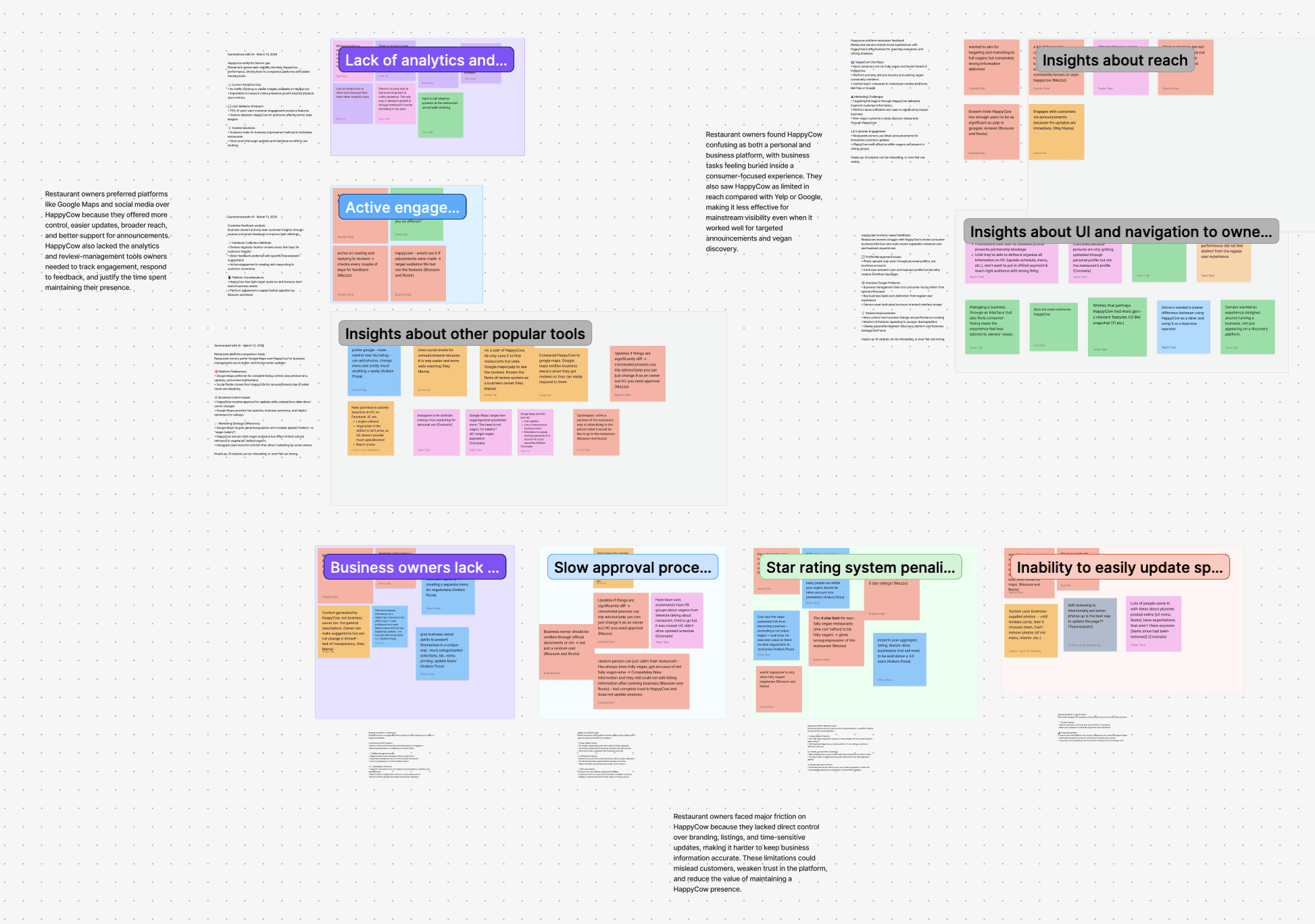
Owners use HappyCow for growth but are not seeing it
80%
use HappyCow for growth
66%
saw no change in reach
Owners rely on other platforms for reach
94%
use other forms of advertisement
28%
cited wider reach to customers
Owners need proof, not just presence
73%
actively updated their business
32%
want analytics & tracking tools
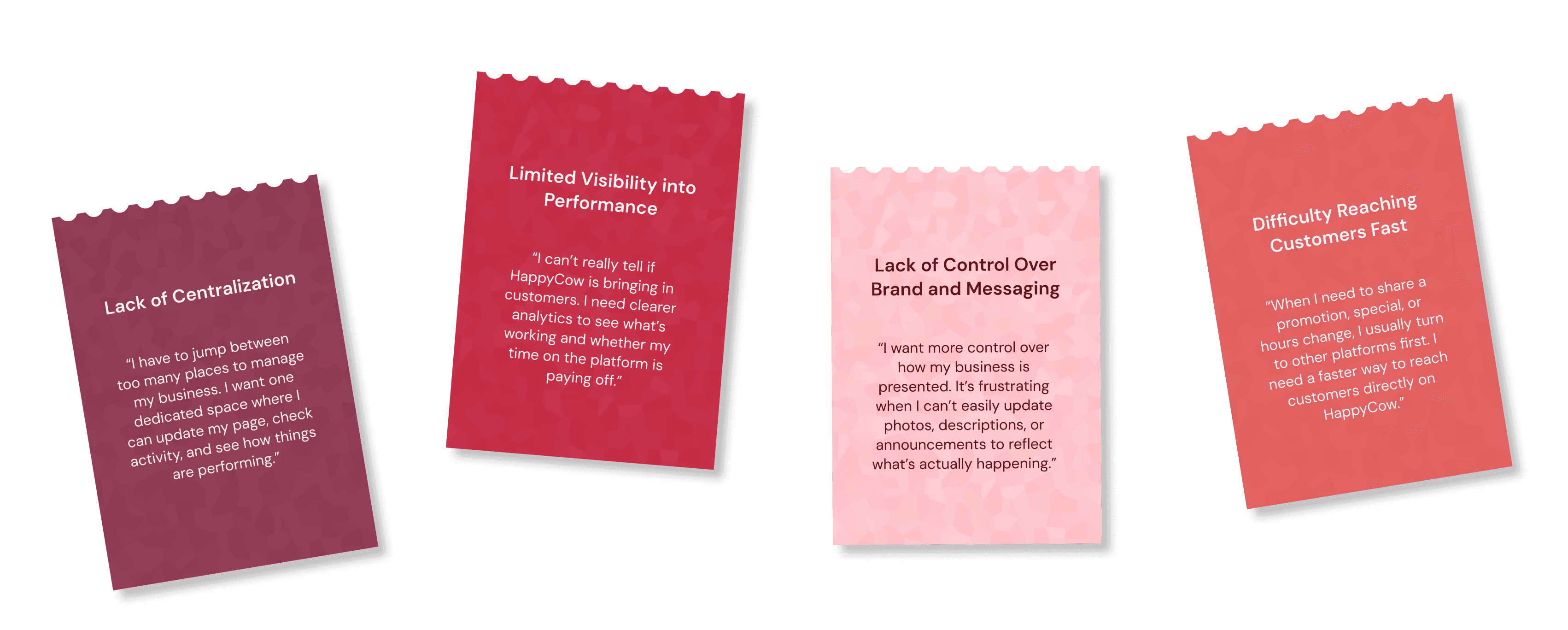
We synthesized our research into four key insights that shaped the product direction, framing each through a business-owner perspective to make the recurring themes more tangible.
Opportunity
Turn HappyCow from a passive listing platform into a tool that helps owners manage visibility, reach customers, and track growth.
Design Decisions
Turning research into product decisions
These findings pointed to two product directions: helping owners communicate with customers more directly and helping them understand whether HappyCow is driving growth. Rather than building a full business-management platform, we focused on lightweight tools that improve visibility, communication, and performance tracking.
One feature helps owners communicate
User need
Owners needed faster ways to share updates and stay visible without relying entirely on external platforms.
Design response
We explored lightweight posting tools within HappyCow to help businesses share timely updates, stay visible, and maintain ongoing customer connection.
Key Priorities
Support ongoing customer connection
Make updates fast and lightweight
One feature helps owners measure
User need
Owners wanted proof that HappyCow was driving visits and discovery, not just a place to be listed.
Design response
We designed analytics concepts that make page performance visible and help owners understand what content or actions drive engagement.
Key Priorities
Make performance visible
Reveal customer patterns
User Flow
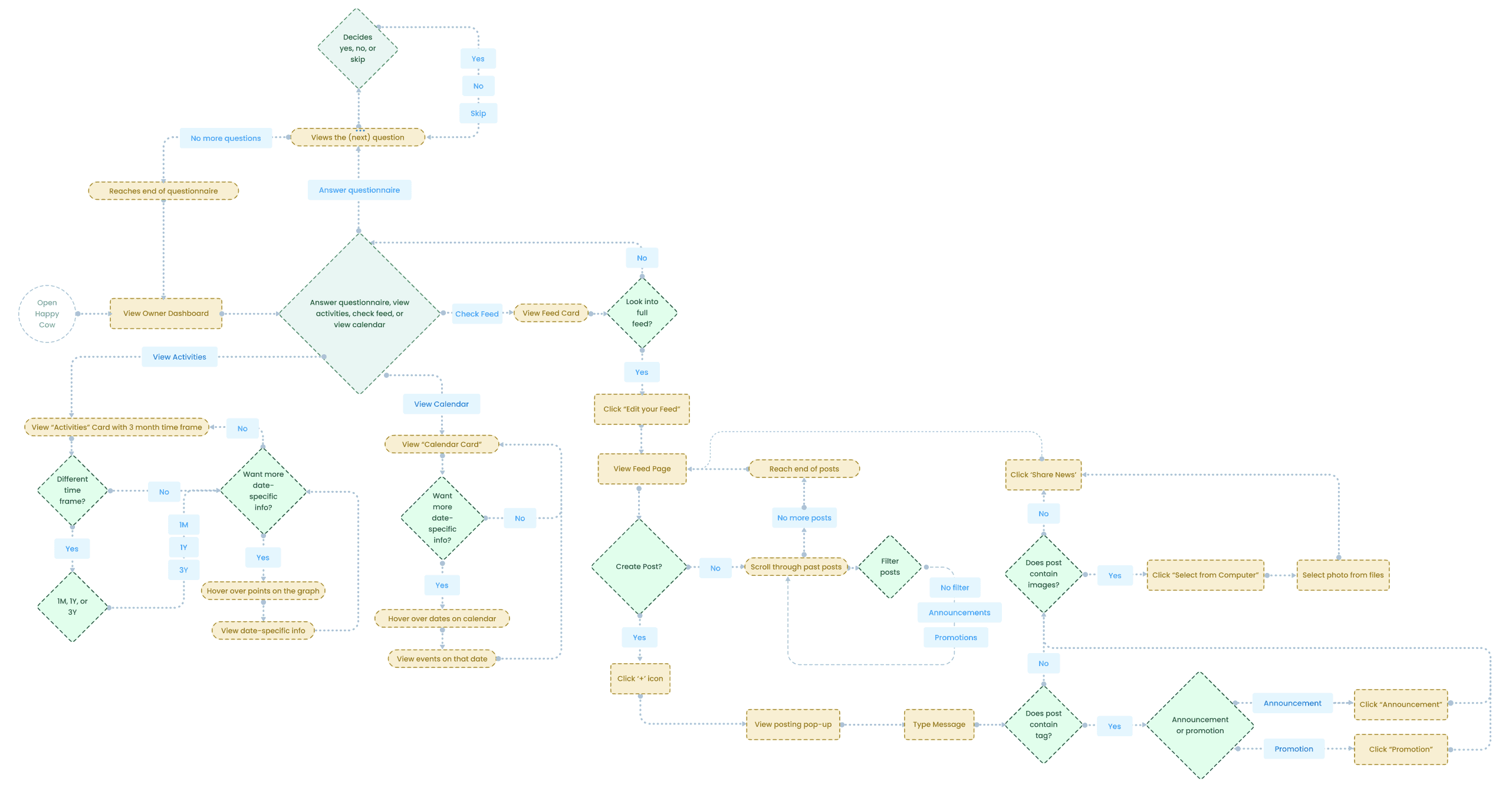
To make the dashboard more actionable, I mapped how business owners could use it to monitor activity, explore engagement, and, most importantly, share timely updates.
Final Designs
I contributed three core feature designs to the final B2B deliverable.
Owner Hub
A hub that brings the most-used owner tools into one place: a quick performance snapshot, reminders to update hours (like holidays), fast links to community feed and calendar, plus resources to help businesses grow.

Social Media Feed
A dedicated feed where businesses can post announcements and updates—hours changes, promotions, new menu items, etc. It helps customers see the most current information in one place, strengthening trust and credibility while also creating a simpler way for owners to stay engaged with their HappyCow community.

Analytics Dashboard
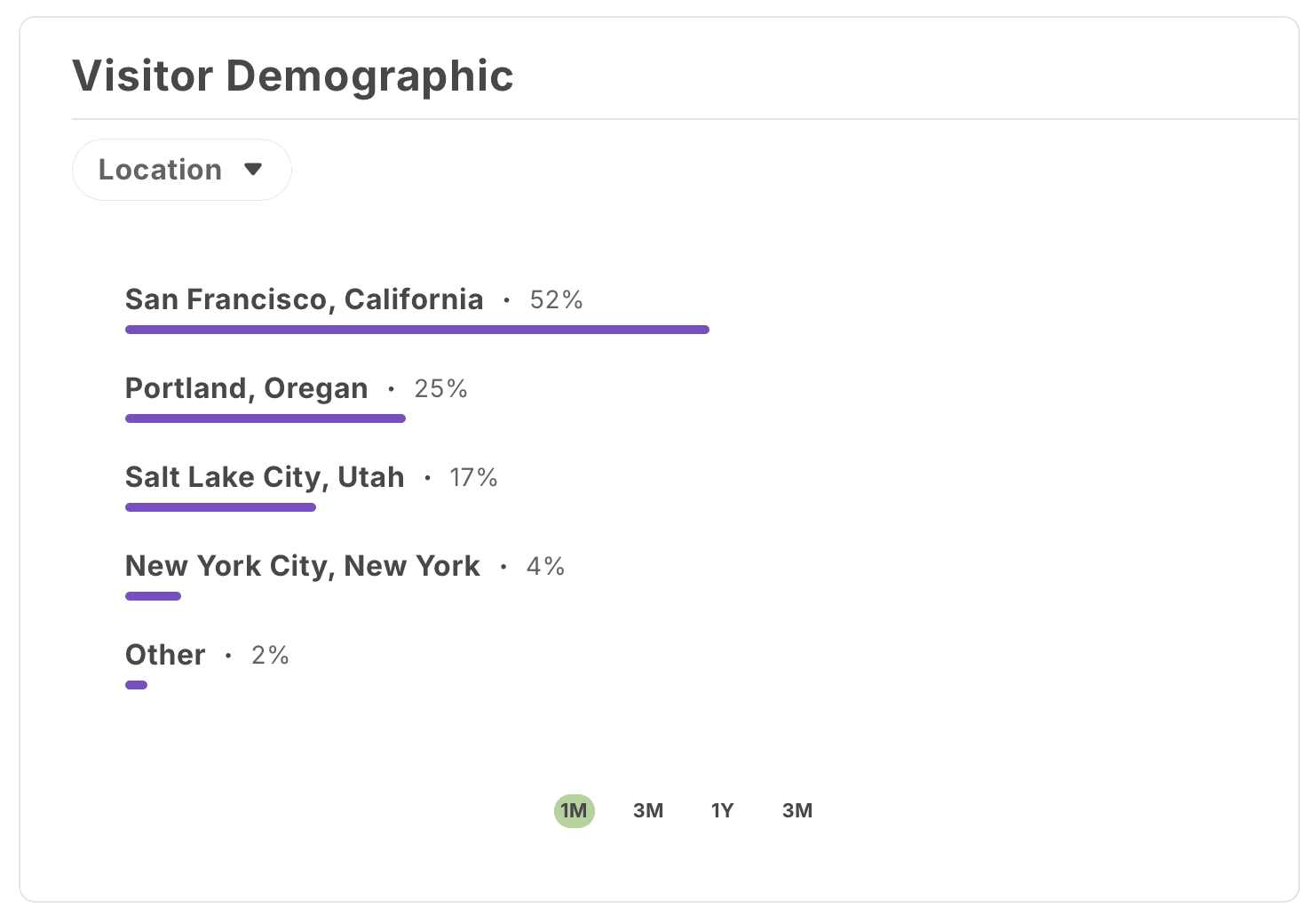
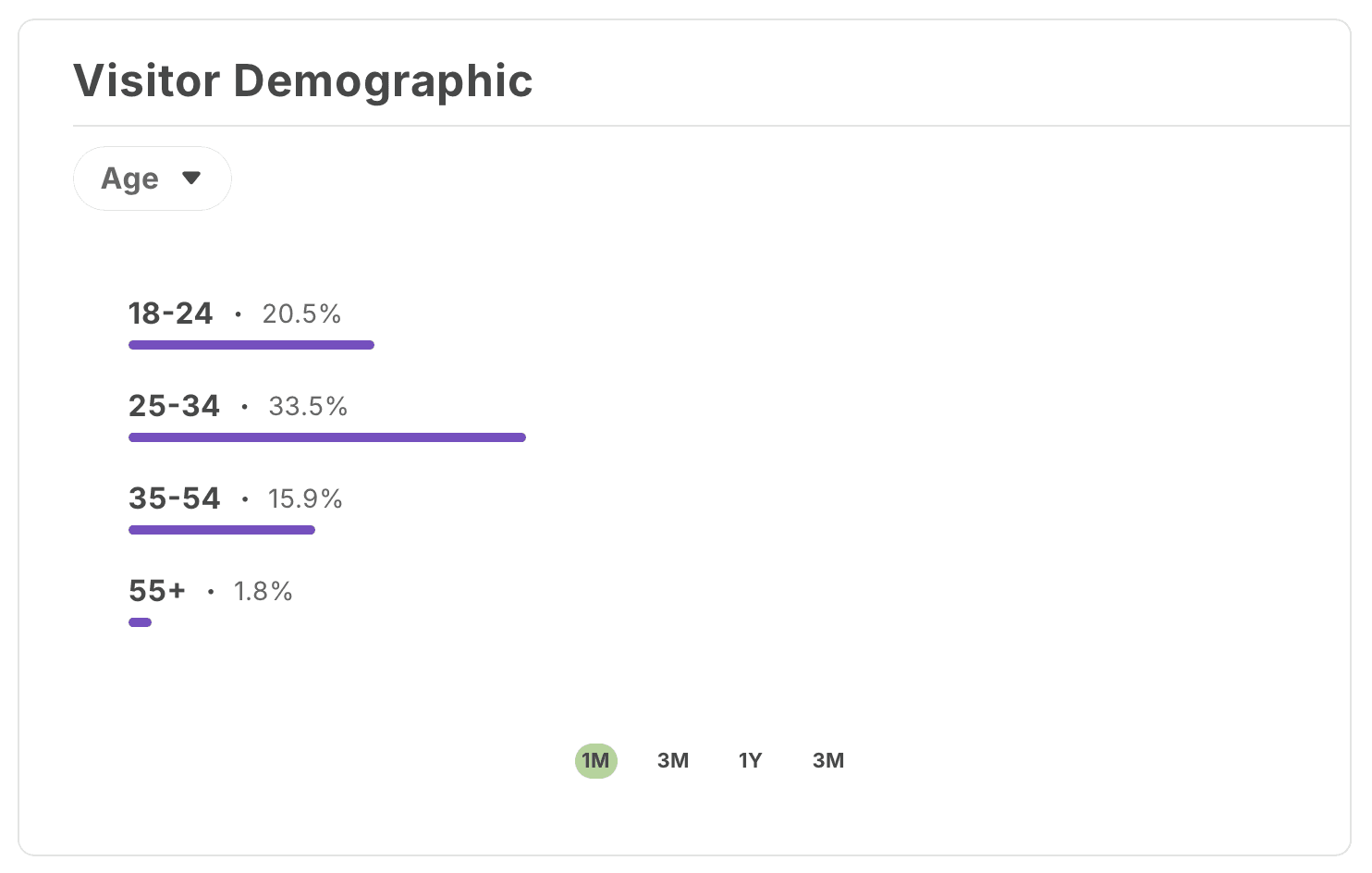
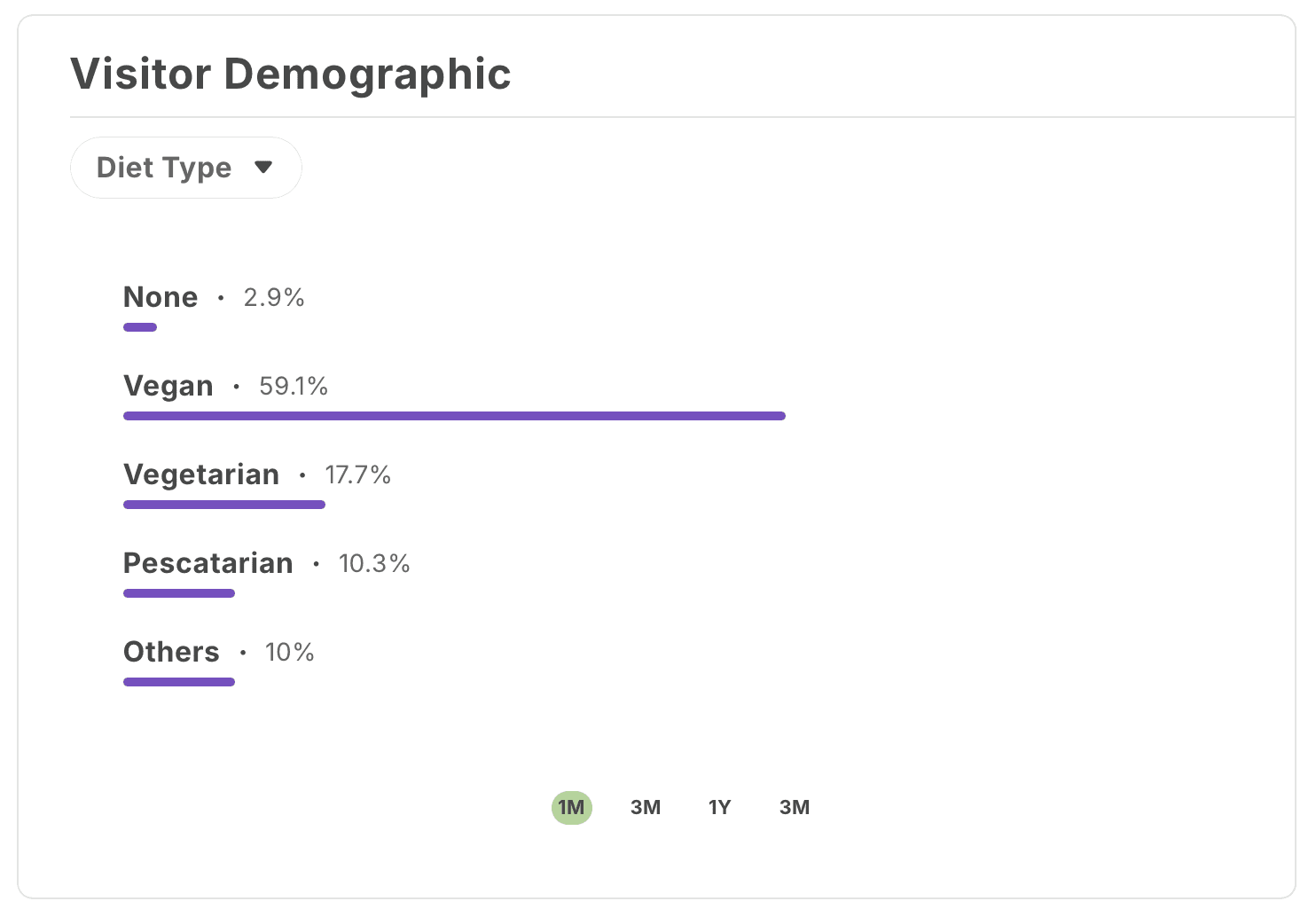
An analytics dashboard that gives owners a clear view of how their presence is performing on HappyCow—tracking page and feed engagement over a customizable time range, visualizing audience demographics, and summarizing customer review trends with an AI overview that highlights what’s working and what to improve.
Takeaways
Reflections & Takeaways
Designing for Business Needs
This project emphasized the importance of understanding and designing for the specific needs of different business types. From small, rural restaurants to large urban establishments, we learned that context, such as location and size, deeply shapes goals and engagement with the platform.
Fostering Community Through Interaction
Introducing social and messaging features revealed how interaction between users and businesses can go beyond reviews. By creating tools for direct communication and shared content, we aimed to build a more connected, engaged vegan community.